
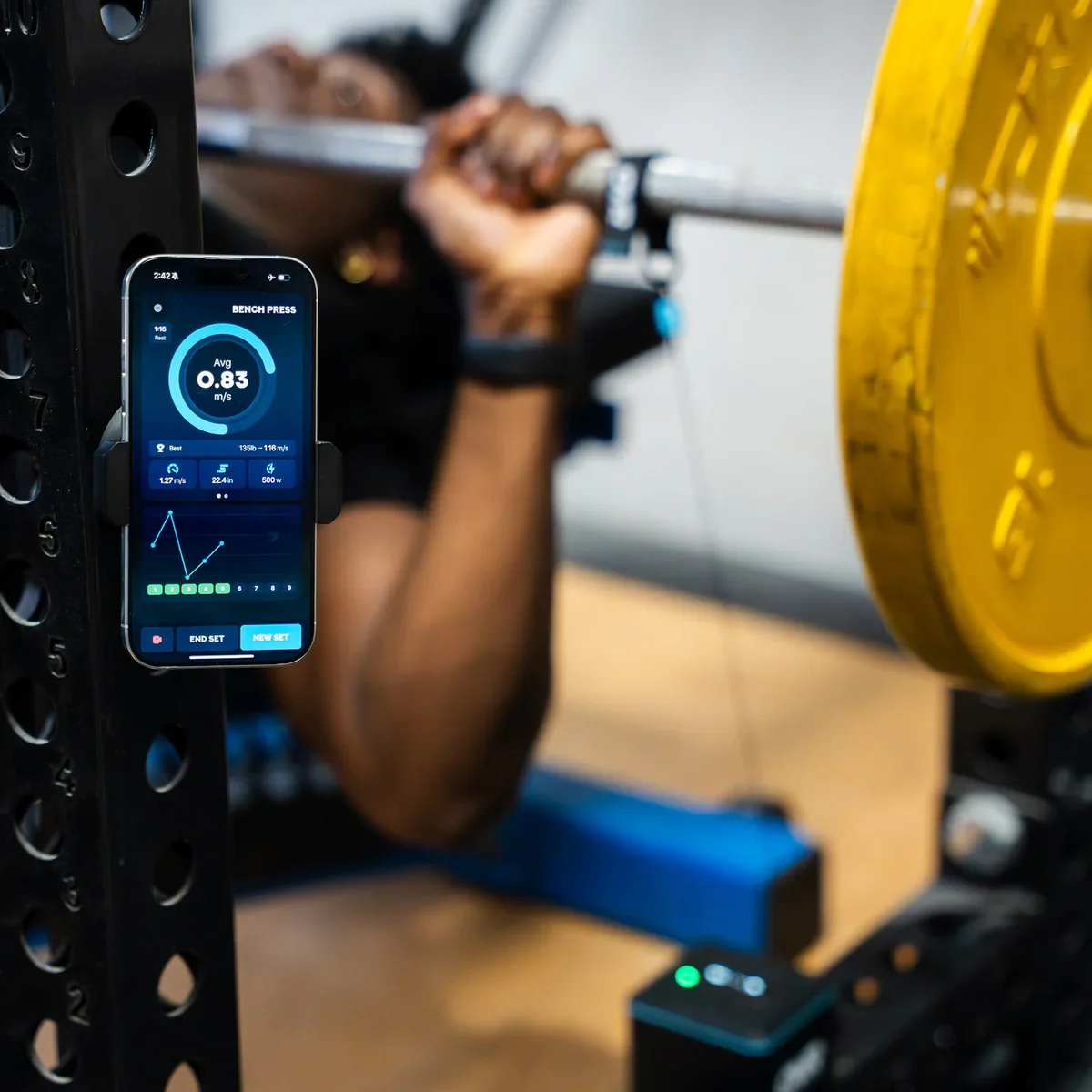
Velocity Based Training (VBT) is a data driven approach to strength training that uses bar speed to guide load selection, intent, and daily readiness. Instead of relying solely on percentages or predetermined numbers, VBT measures how fast you move the weight in real time. Bar speed provides immediate feedback on how your body is responding on that day, allowing training to stay precise rather than guess based.
velocity based training
targeted stimulus

Every physical quality lives on a force velocity spectrum. Absolute strength, strength speed, speed strength, and pure speed all occur at different velocity ranges. VBT allows each lift to be prescribed within a specific velocity band that matches the intended adaptation. If the goal is force production, loads are selected that produce slower bar speeds. If the goal is power or rate of force development, loads shift lighter and bar speeds increase. This ensures every set is actually training what it is supposed to train, not just what it looks like on paper.
monitoring fatigue

Bar speed is highly sensitive to fatigue. As neural or muscular fatigue accumulates, velocity drops before technique or effort noticeably decline. By tracking velocity loss within a set or across sessions, we can quantify fatigue objectively rather than guessing based on feel alone. This allows volume to be capped before output quality drops too far and gives clear insight into when an athlete is underrecovered or primed to push.
why this matters

Pitching performance is built on intent, speed, and efficient force transfer. VBT reinforces high intent movement while preventing unnecessary grinding. It keeps strength work aligned with throwing demands, supports better power transfer, and reduces excess fatigue that can bleed into skill work. Training stays adaptable, measurable, and directly connected to performance rather than chasing arbitrary numbers.
why vbt is required

VBT is not an optional add on. It is a necessary tool for athletes training for performance. Without objective velocity feedback, load selection becomes reactive and subjective, and fatigue management relies on guesswork. VBT ensures intent stays high, outputs remain measurable, and adaptations are earned rather than assumed. It creates a feedback loop between effort, output, and recovery that cannot be replicated with percentage based systems alone.
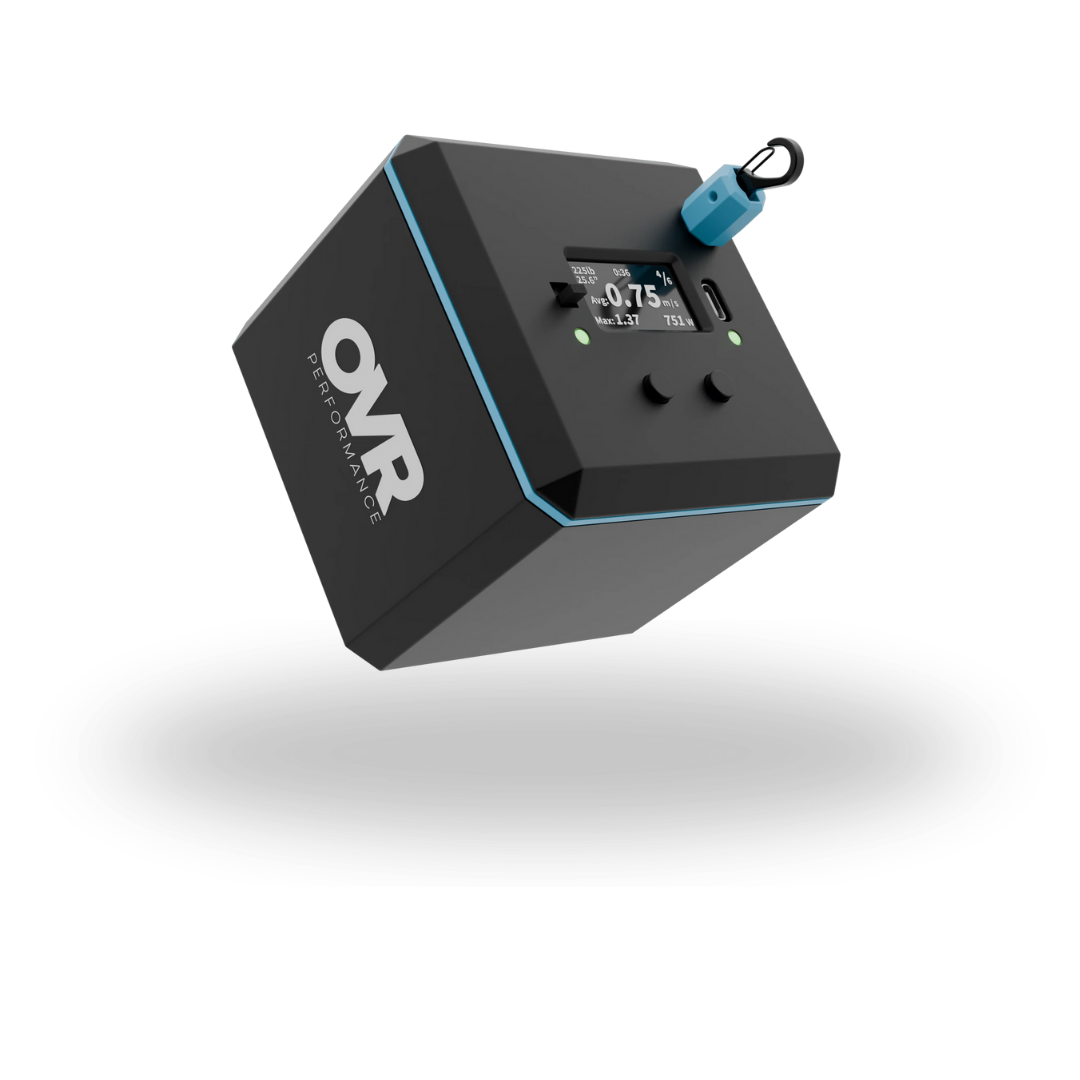
Athletes training with Strike Performance are required to purchase an OVR Velocity.
get started
If you’re ready for structured development, contact me and I’ll be in touch to set up a call.